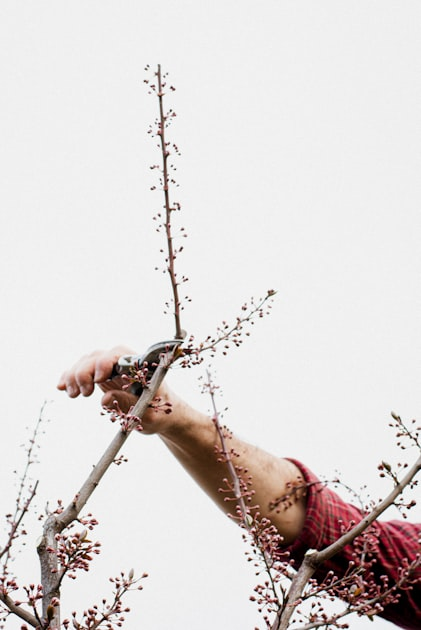
What Is the Safest Way to Remove a Large Tree in Toowoomba?
First-person, fun introduction:
Let me tell you something straight from experience—there’s nothing quite like standing under a massive gum tree in Toowoomba and thinking, “Yep… this one’s definitely not a DIY job.”
I mean seriously, large tree removal is like wrestling a giant, leafy superhero who refuses to go down without a dramatic exit. And if you’ve ever watched someone try to cut a huge tree with a tiny chainsaw from the local hardware store… well, you know how quickly things can go wrong.
Over the years, I’ve learned one thing with absolute certainty: the safest way to remove a large tree in Toowoomba is with professionals who know what they’re doing, have the right equipment, and understand how our local species behave.
In this article, I’m breaking down exactly how safe tree removal works, the steps involved, the science behind it, and why calling in experts could save you thousands of dollars—and maybe even a hospital trip.
Grab a cuppa, because this is a big topic… quite literally!
Table of Contents
- Why Large Tree Removal Is So Dangerous
- Step 1: Proper Tree Assessment
- Step 2: Using the Right Safety Gear & Equipment
- Step 3: Safe Tree Removal Techniques
- Understanding Rigging & Sectional Dismantling
- When Controlled Felling Is an Option
- Crane Removal for Extra-Large or Hazardous Trees
- How Weather Conditions Affect Tree Removal
- Legal & Council Safety Requirements
- Why DIY Tree Removal Is Extremely Risky
- Choosing the Safest Tree Removal Company
- Final Thoughts
Why Large Tree Removal Is So Dangerous
Large trees—especially the ones common in Toowoomba like eucalyptus, pine, silky oak and camphor laurel—are heavy, unpredictable and structurally complex. Removing them improperly can cause:
- Property damage (roofs, fences, sheds, cars)
- Injuries from falling branches
- Chainsaw accidents
- Unexpected tree movement
- Falling from heights
- Damage to underground services
One wrong cut can send the entire tree crashing in a direction you never expected. That’s why proper planning and professional techniques are essential—not optional.
Step 1: Proper Tree Assessment
The safest way to remove a large tree always begins with a detailed assessment. A qualified arborist will evaluate:
- Tree height, width and lean
- Species and wood hardness
- Tree health (dead, rotting, diseased, hollow)
- Proximity to buildings and powerlines
- Root stability
- Wind exposure
- Access for equipment
This assessment determines the safest removal method and ensures no surprises occur mid-operation. Think of it like a doctor diagnosing before performing surgery—it’s that important.
Step 2: Using the Right Safety Gear & Equipment
Professional tree removal teams use high-grade safety equipment including:
- Climbing harnesses and saddles
- Helmet with visor and hearing protection
- Cut-resistant gloves
- Steel-capped boots
- Chainsaws of various sizes
- Rigging ropes, pulleys and blocks
- Elevated Work Platforms (EWPs)
- Wood chippers and stump grinders
- Cranes for major operations
Each tool has a specific purpose, and using them correctly is crucial. A team removing a tree without proper gear is like firefighters showing up without hoses—dangerous and ineffective.
Step 3: Safe Tree Removal Techniques
Depending on the size and location of the tree, professionals choose the safest method. The two most common approaches for large trees are:
- Sectional dismantling (cutting the tree down piece by piece)
- Controlled felling (cutting the tree so it falls in a specific direction)
Let’s break these down.
Understanding Rigging & Sectional Dismantling
This is the safest and most common method for large urban trees in Toowoomba. Rigging involves:
- Climbing the tree or using an EWP
- Securing ropes and pulleys to support each branch
- Cutting branches in small, manageable sections
- Lowering each section safely to the ground
This method protects:
- Your roof
- Your fence
- Your shed
- Your pets
- Your neighbour’s property (very important!)
Rigging is basically tree surgery—it’s precise, controlled and ideal for tight suburban spaces.
When Controlled Felling Is an Option
If the tree is located in an open area—like a paddock, acreage or large backyard—professionals may choose controlled felling.
This involves:
- Cutting a notch (face cut) in the direction you want the tree to fall
- Making a back cut to release the tree
- Using wedges and ropes for directional control
Controlled felling is quick and efficient, but only safe when there is significant clearance.
Crane Removal for Extra-Large or Hazardous Trees
Some trees are simply too dangerous or too large to remove with climbing and rigging alone. In these cases, cranes are used.
Crane-assisted removal is ideal when:
- The tree is extremely tall
- The tree is rotten or structurally unstable
- Access is limited
- The tree is wedged between structures
- Storm damage makes climbing unsafe
With cranes, each piece is lifted away from the tree and gently lowered—dramatically reducing risk and speeding up the process.
How Weather Conditions Affect Tree Removal
Wind, rain and storms all impact tree behaviour. Professionals never remove large trees when:
- Wind speeds are high
- Ground conditions are too slippery
- Lightning is present
- Branches are wet and unstable
Weather can turn a safe job into a dangerous one within minutes. Timing is everything.
Legal & Council Safety Requirements
Before removing a large tree, you must also consider:
- Toowoomba Regional Council approval rules
- Neighbour consent for boundary trees
- Electrical safety guidelines for trees near powerlines
- Permit requirements in protected zones
Professional tree companies understand these rules and can help you determine whether approval is needed.
Why DIY Tree Removal Is Extremely Risky
Look, I’ll say it straight—removing a large tree yourself is dangerous. Very dangerous.
Here’s why DIY goes wrong so often:
- Chainsaw kickback
- Incorrect cutting angles
- Falling from ladders
- Unexpected branch movement
- Tree falling in the wrong direction
- Inadequate tools or protective gear
Even experienced handymen can get caught off guard. Large tree removal requires training, teamwork and professional equipment.
Choosing the Safest Tree Removal Company
To ensure your tree is removed safely, choose a company with:
- Qualified and insured arborists
- Experience with large and complex removals
- Modern equipment including rigging gear and EWPs
- Clear communication and written quotes
- Strong local reputation or reviews
A reputable company will assess the tree thoroughly, explain the safest removal method and provide a professional, risk-free service.
Final Thoughts
So, what is the safest way to remove a large tree in Toowoomba?
Hire qualified professionals who use proper equipment, industry-approved techniques and thorough safety assessments.
Large tree removal isn’t just about cutting wood—it’s a highly skilled operation that protects your home, your neighbours, your family and your future landscaping.
If you want your large tree removed safely, efficiently and without stress, I highly recommend contacting
Tree Removal Toowoomba.
Their experienced team specialises in complex, high-risk and large-scale removals using the safest methods in the industry.
Your property—and your safety—deserve nothing less.